Climate change is one of the most urgent global challenges. However, the climate scientists are clear, there is still action possible to avoid the worst effects of global warming if we act now. We are also aware that climate change is also a deeply unjust phenomenon: Those who contribute the least to climate change are often the ones that are most affected by its impacts. This is why, while tackling global warming, we also need to look at the transformations that are needed in our societies to make this world fairer and more just. Since the beginning of international climate policy, an important debate has focused on the existing divide between countries in the Global North who are historically more responsible for the global pollution and those in the Global South who are more vulnerable to climate change consequences.
But are you aware that inequalities within each country have to do with climate change, as well?
The social divide between privileged and underprivileged people can be as large as the international divide. Carbon footprints – the size of individuals’ contributions to climate change – increase with income. On the other hand, higher income improves the opportunities to cope with the negative effects of climate change. In contrast, poor people with smaller carbon footprints are usually the most vulnerable groups in times of disasters such as thunderstorms, drought and flooding.
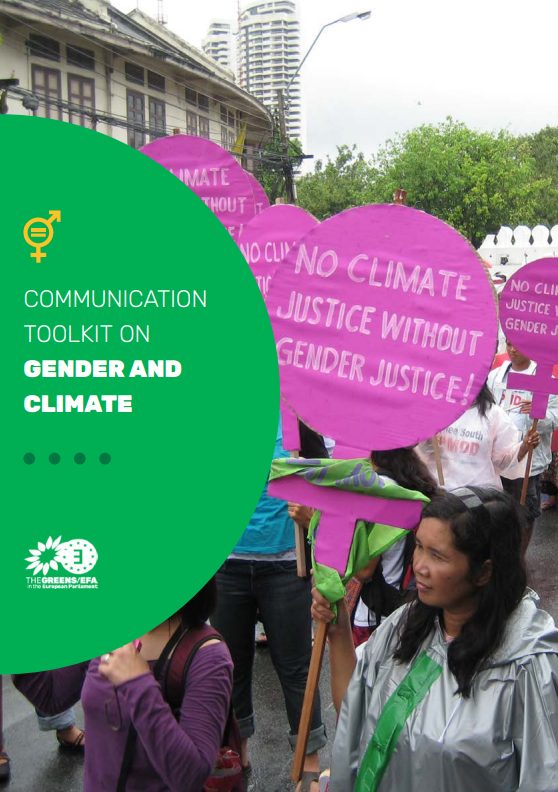
Read more about it on the toolkit created by The Greens/EFA!
All tools are available in:
- English